How we built Glorify β the canvas-based design tool β from scratch in 2019. Six years later, it's still our most active client. Here's what we built, the technical problems we solved, and the numbers that came out the other side.
In 2019, Omar Farooq came to us with a problem most graphic design tools weren't solving: e-commerce sellers needed something faster than Photoshop, more flexible than Canva, and built specifically for product imagery. He'd designed the MVP himself with minimal product design experience, but he needed an engineering team that could build the real product.
He didn't want a contractor. He wanted a partner who could grow with the product, ship features fast, and handle the technical depth of building a real-time canvas application that scales to thousands of concurrent users.
That's where Uforia came in β and stayed.
"You cannot go wrong with this team. Always determined to find solutions to very complicated development requirements."
Glorify isn't a single feature. It's an entire canvas-based design system β the kind of thing most agencies say "let's just use a SaaS for that." We built it from scratch.
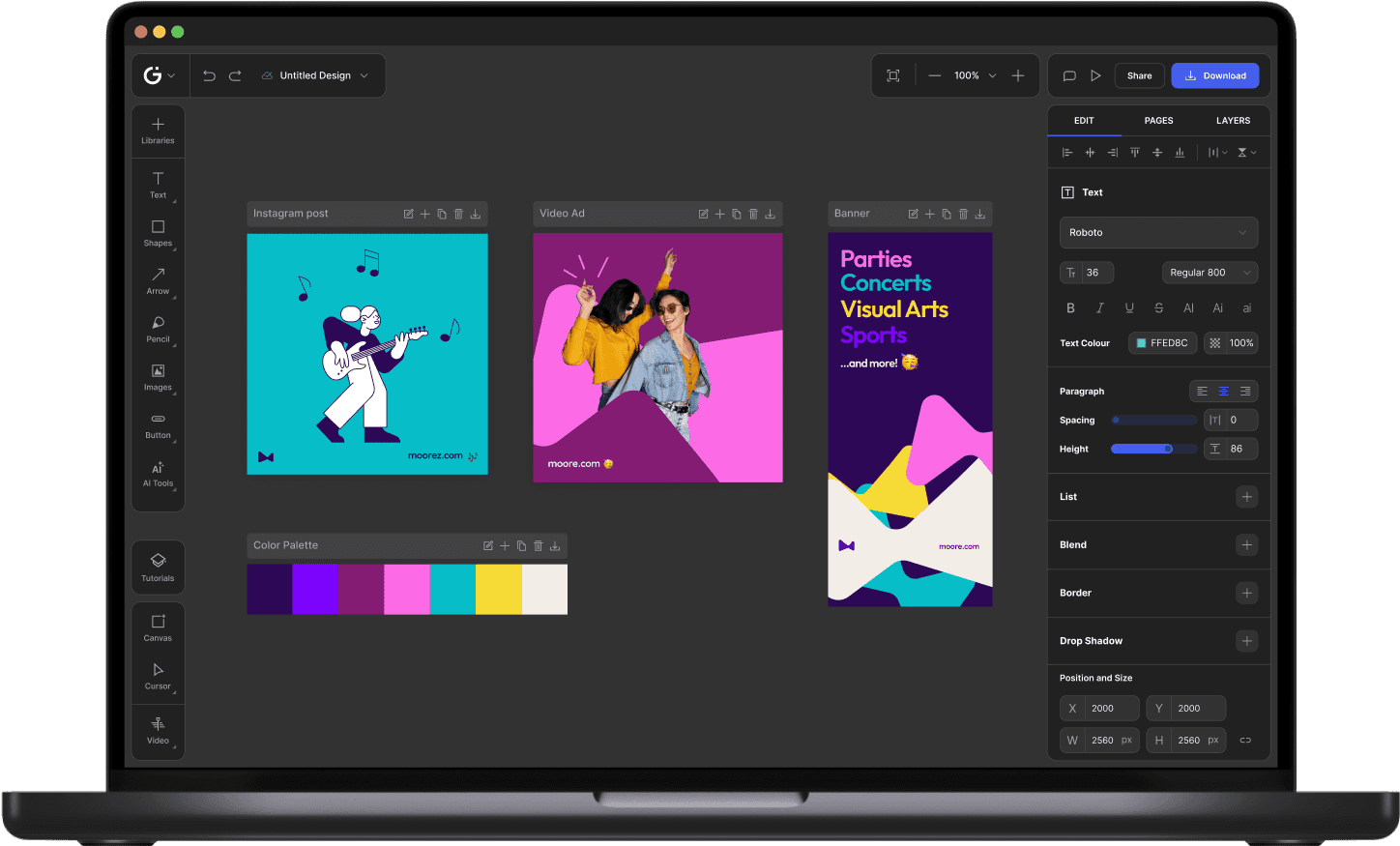
Multi-object canvas built on FabricJS with custom extensions. Supports shapes, images, text-on-path, blend modes, masking, and pen tool. Handles 1000+ objects per design without lag.
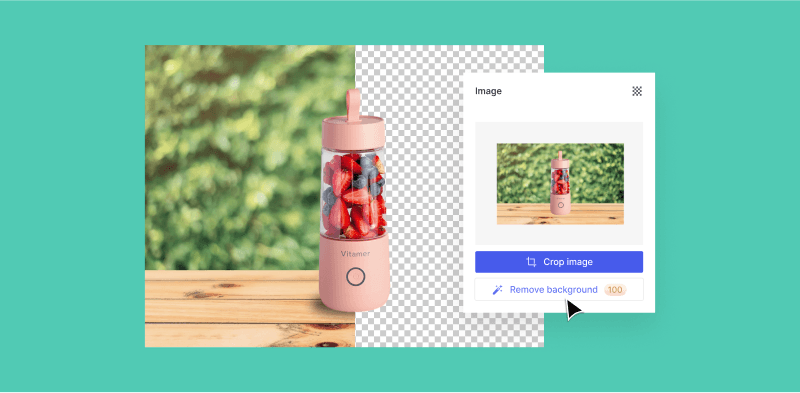
One-click background removal optimized for e-commerce product photos. Our integration handles thousands of requests per hour without breaking the canvas state β and falls back gracefully when AI is unavailable.
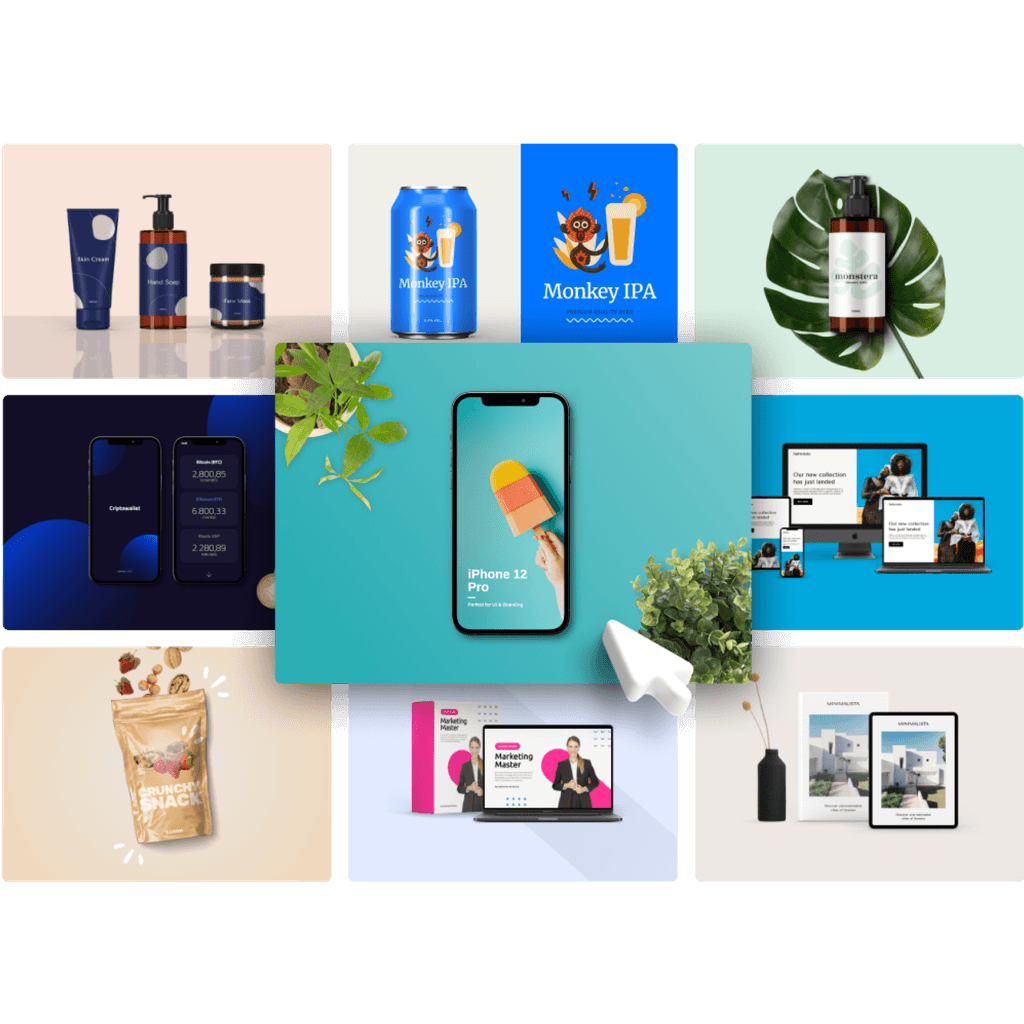
Realistic product mockups with smart resize across formats. Template library scales to 11,000+ items with thumbnail generation, search, and tag-based filtering β all loaded lazily so the editor stays responsive.
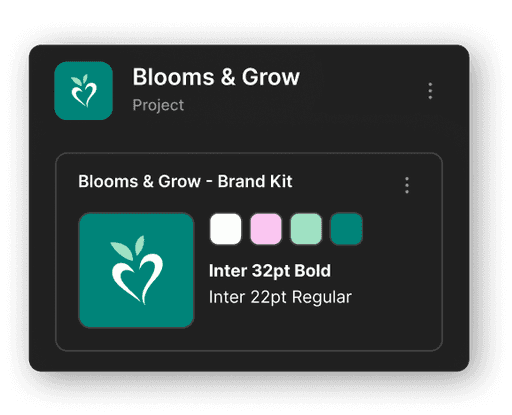
Centralized brand assets β logos, fonts, palettes β that propagate across all designs. Plus live multi-user comments and edit sessions with conflict resolution that handles network drops gracefully.
Not "we used AI tools." Not "we partnered with influencers." Real engineering work that turned a working prototype into a product that scales.
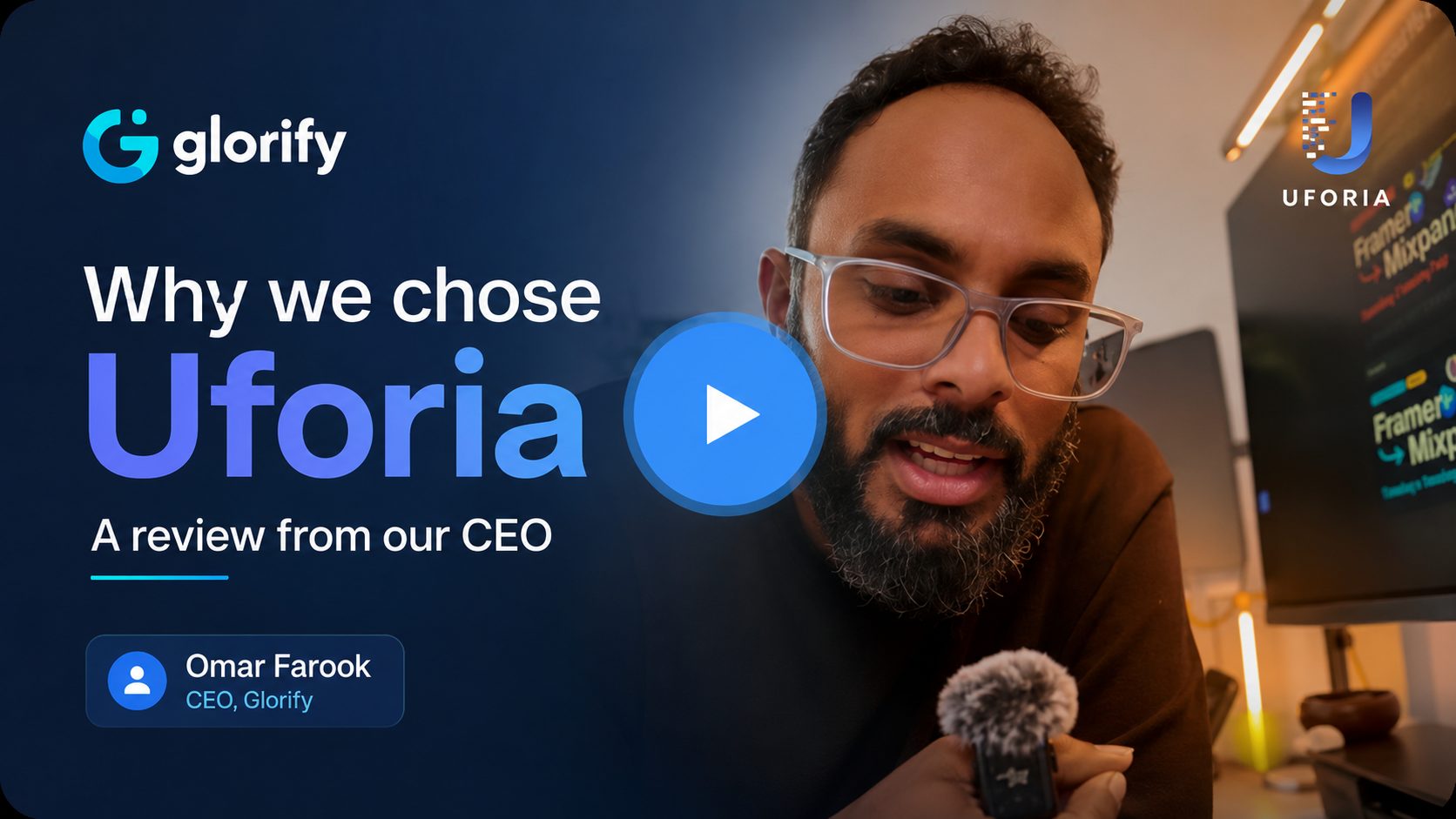
Omar walks through what working with Uforia has actually looked like β from the early MVP days through scaling to 300,000 users. The determination, the communication, and how we approach the kind of complicated requirements that break most agencies.
Six years of compounding work. These are the metrics that prove the engineering held up β not the social media follower counts.
This is the part most agencies can't claim. Engagements end. Teams move on. Codebases get rewritten by whoever inherited the project.
Glorify is the exception. We've been the engineering team since the MVP in 2019 β through pivots, growth phases, AI integrations, and feature requests that came in last week. The same team. The same code. The same trust.
If you want to know what working with Uforia looks like over the long term: this is what it looks like.
If you're a founder building canvas-based Web2Print SaaS or a custom Shopify app, you're exactly the kind of project we want to work on next. 30 minutes. No prep. No sales pitch.